Nyepi 2026: What to Know About Bali's Day of Silence
Every year, Bali does something almost no other destination does: it voluntarily goes quiet. For 24 hours, the island observes Nyepi—the Balinese Hindu New Year, often called the "Day of Silence." No flights, no traffic, no beach clubs, no lights at night. For visitors, that can sound either magical or confusing. Understanding what Nyepi is and when it falls will help you plan your trip and, if you're on the island, experience it with respect and wonder.
When is Nyepi?
Nyepi follows the Balinese Saka calendar (a lunar calendar), so the date changes each year in the Gregorian calendar. It usually falls in March or early April. The day after Nyepi is Ngembak Geni, when normal life resumes and families visit and forgive each other. If you're booking a villa or flight around that time, check the exact Nyepi date for your year and plan to be either off the island the day before or settled in your accommodation for the full Nyepi day.
What actually happens on Nyepi?
Four main rules shape the day:
- Amati Geni – No fire or light (including electricity and screens where possible).
- Amati Karya – No work.
- Amati Lelungan – No travel; everyone stays within their home or compound.
- Amati Lelangunan – No entertainment or pleasure-seeking.
In practice, that means: no going to the beach, no scooters or cars, no airport operations, and after dark, minimal or no lights. Hotels and villas keep guests indoors and often dim or limit lighting. The idea is a day of reflection, stillness, and giving the island a "rest" so that negative energies are cleared and the new year can begin cleanly.
The days before Nyepi: Melasti and Ogoh-Ogoh
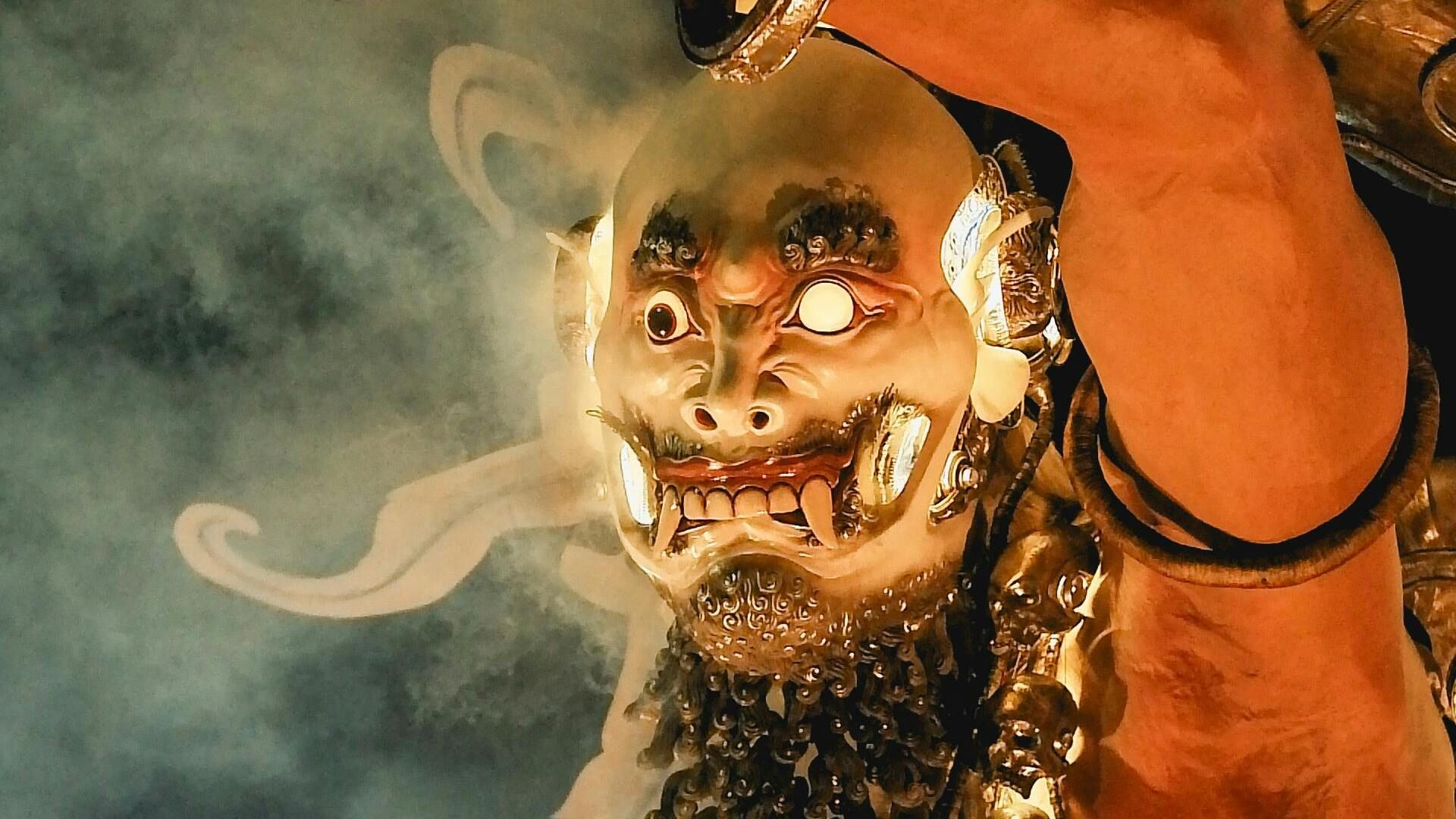
Nyepi doesn't appear out of nowhere. In the days leading up to it, you'll see Melasti—a purification ritual at the sea or holy springs—and the famous Ogoh-Ogoh parades. Ogoh-Ogoh are huge, often frightening statues (representing negative forces) that are carried through the streets and then usually burned or discarded. The night before Nyepi (Tawur Kesanga or Pengerupukan) is loud and lively: processions, gamelan, and crowds. It's one of the most photogenic and memorable nights in Bali. If you're on the island then, ask your villa or hotel where the nearest parade is and go with a guide or driver who knows the route.
Stay in Bali
Find your perfect Bali villa
Browse handpicked properties across Bali. Book direct, no fees, local support.
Browse VillasWhat if I'm staying in a villa or hotel during Nyepi?
Most properties will brief you clearly. You're expected to stay on-site for the full 24 hours. Pool use is often allowed during the day; after dark, lights are kept low or off in rooms and common areas. Meals are still provided (prepared earlier or in a way that respects the rules). It's a day for reading, resting, and observing the silence—not for exploring the island or going out. Flights in and out of Bali are suspended for the full Nyepi day, so no one can arrive or leave by air.
Why does Bali do this?
For Balinese Hindus, Nyepi is both spiritual and practical. It's a reset: a day of self-reflection, fasting (for some), and prayer so that the new year starts with a clean slate. The "silence" and darkness are also thought to trick malevolent spirits into thinking the island is empty, so they pass over. The result is a collective pause that's rare in the modern world—and a reason many visitors who experience it never forget it.
How to plan your trip around Nyepi
- Before Nyepi: Arrive with enough time to enjoy a day or two of normal Bali life and, if you can, catch an Ogoh-Ogoh parade the night before.
- On Nyepi: Be in your villa or hotel. Stock up on books, offline entertainment, and a good mindset. Respect the rules and the spirit of the day.
- After Nyepi: Ngembak Geni is the first day of the new year; the island reopens. Flights resume, traffic returns, and life goes back to normal—often with a palpable sense of renewal.
A once-a-year experience
Nyepi is one of the most distinctive events in the Balinese calendar. Whether you plan to be on the island for it or to avoid it for travel reasons, understanding what it is and when it falls will make your planning easier and, if you do stay, will help you appreciate the day rather than fight it. For many, a Nyepi spent in a quiet villa, with the stars visible in a dark sky and the island genuinely still, becomes a highlight of their time in Bali.
Summary
- Nyepi is Bali's Day of Silence, marking the Balinese Hindu New Year.
- It usually falls in March or early April; the exact date changes each year.
- For 24 hours there's no travel, no work, no fire/light after dark, and no entertainment.
- The night before features Ogoh-Ogoh parades; the day after (Ngembak Geni) life resumes.
- If you're in Bali on Nyepi, stay at your villa or hotel and respect the silence—it's a unique chance to experience the island at its most peaceful.
Book Direct & Save
Ready to book your Bali villa?
Skip the platforms. Book direct with our local team and get the best rates — no hidden fees, personal support from day one.
Browse Villas