Bali for Digital Nomads Best Areas, Villas & Tips for Working Remotely

Bali has become one of the world's top destinations for digital nomads—and it's easy to see why. The island offers a rare mix of reliable internet, a thriving remote-work community, and a cost of living that's often a fraction of what you'd pay in London, New York, or Sydney. Add in tropical weather, world-class cafes, and a culture that's long welcomed travellers and creatives, and you have a place where "work from anywhere" actually feels sustainable.
But not all of Bali is equally suited to remote work. Choosing the right area, the right villa, and the right routines can mean the difference between a productive, enjoyable stay and a frustrating one. In this long-form guide we walk you through everything you need to know: the best areas for digital nomads, what to expect from internet and co-working, why monthly villas often beat short-term stays, visa options, and practical tips so you can work and live well in Bali.
Why Bali works for digital nomads
Before diving into where to stay, it helps to understand why Bali has become such a magnet for remote workers. The infrastructure in the main tourist and expat areas has matured: fibre and fixed wireless are common, and co-working spaces have been operating for years. The time zone (UTC+8) sits between Europe and the Americas, making it possible to overlap with both with some schedule tweaks. The cost of living—accommodation, food, transport, and services—remains lower than in most Western hubs, so your budget stretches further. And perhaps just as important, the community is already there. Whether you're in Canggu, Ubud, or Seminyak, you'll find other nomads, freelancers, and remote teams. That makes it easier to stay motivated, swap tips, and feel at home.
Best areas for digital nomads in Bali
Where you base yourself will shape your daily rhythm, your social life, and how easy it is to get work done. Here's a detailed look at the areas that nomads tend to choose.
Canggu
Vibe: Trendy, upscale, vibrant
Best for: Co-working, cafes, beach clubs, nightlife, and a strong nomad community.
Canggu has evolved from a surf village into one of Bali's busiest hubs for digital nomads. The main strips—around Batu Bolong, Berawa, and Echo Beach—are packed with cafes that double as workspaces, gyms, yoga studios, and beach clubs. Internet speeds are generally reliable; many villas and cafes offer 30–100 Mbps, and co-working spaces like Dojo Canggu have been serving remote workers for years. The downside is noise and traffic: Canggu can feel hectic, especially in peak season. If you want to be in the middle of the action and don't mind the buzz, Canggu is hard to beat.
Ubud
Vibe: Calm, green, wellness-focused
Best for: Focus work, yoga, healthy food, and a slower pace.
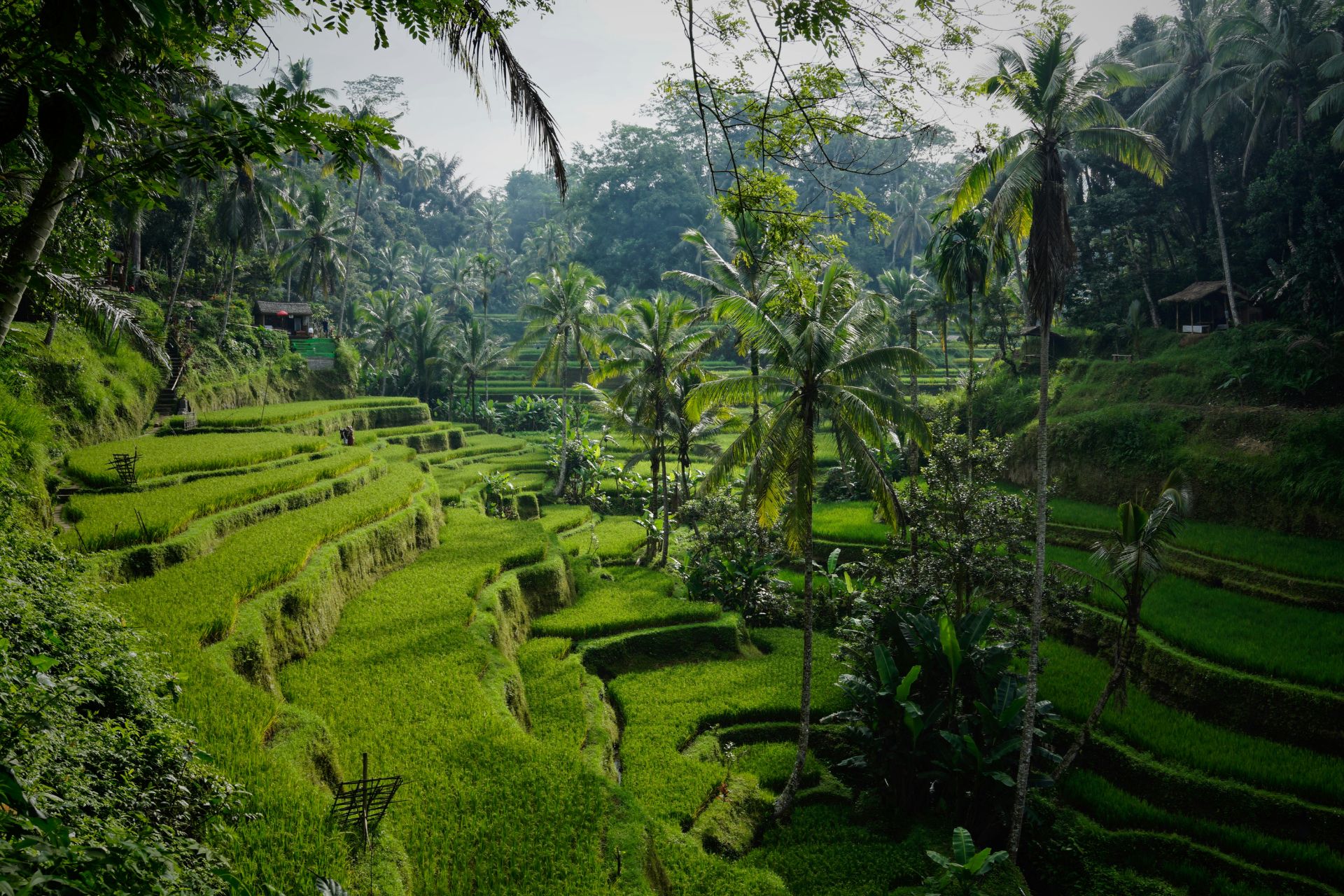
Ubud sits in the hills, surrounded by rice terraces and jungle. The atmosphere is noticeably calmer than the coast. Cafes and villas here often emphasise quiet, nature, and wellness—think morning yoga, smoothie bowls, and dedicated desks with a view. Internet quality has improved a lot; many villas and spaces offer fibre or fixed wireless suitable for video calls. Ubud suits you if you prefer fewer distractions and a more intentional routine. The trade-off is that it's further from the beach and the nightlife of Canggu or Seminyak.
Seminyak
Vibe: Upscale, dining, shopping
Best for: Restaurants, boutiques, and a more polished vibe with good connectivity.
Seminyak is the more refined sibling to Canggu: better-known restaurants, higher-end boutiques, and a slightly older, more international crowd. Connectivity is generally good; villas and hotels have invested in solid Wi-Fi to cater to business travellers and long-stay guests. If you want a balance of good food, comfort, and reliable internet without the full-on Canggu scene, Seminyak is a strong option.
Uluwatu
Vibe: Cliffs, surf, quieter
Best for: Surf, sunset views, and a more laid-back scene.
Uluwatu sits on the southern tip of Bali, known for its cliffs, world-class surf breaks, and dramatic sunsets. The area is more spread out and less dense than Canggu or Seminyak. You'll find fewer dedicated co-working spaces and fewer cafes that feel like offices; many nomads here work from their villa or a favourite warung. Internet can be variable—always confirm with your accommodation and have a backup (e.g. local SIM) if you have important calls. Uluwatu suits you if you prioritise surf, nature, and a slower pace over being in a nomad hotspot.
Sanur
Vibe: Quiet, family-friendly, traditional
Best for: Calm beaches, morning walks, and reliable internet.
Sanur faces east, so you get sunrise over the water and a long, flat beach path that's ideal for morning runs or walks. The area has a more local, low-key feel and is popular with families and long-term residents. Internet in Sanur is often reliable; many villas and guesthouses have upgraded to fibre or fixed wireless. If you want a quiet base with a beach, fewer parties, and stable connectivity, Sanur is worth considering.
Internet and co-working in Bali
Your ability to work remotely in Bali depends heavily on internet quality and having a backup plan.
Stay in Bali
Find your perfect Bali villa
Browse handpicked properties across Bali. Book direct, no fees, local support.
Browse VillasWhat to expect from Wi-Fi
In Canggu, Ubud, and Seminyak, many villas and co-working spaces offer speeds of 20–100+ Mbps. That's enough for video calls, streaming, and most day-to-day work. The catch is that quality isn't uniform: some villas still rely on a single residential line or shared connection, and peak-hour congestion can slow things down. Before you book a long stay, ask the host for a speed test result or recent feedback about the internet. Having a backup is wise: a local SIM (Telkomsel or XL) with a generous data package is cheap and lets you tether when the villa Wi-Fi misbehaves.
Co-working spaces
Dedicated co-working spaces are a reliable option if you need a guaranteed good connection and a proper desk. Dojo in Canggu and Outpost in Ubud are among the best-known; they offer day passes and monthly memberships, fast internet, air conditioning, and a community of other remote workers. Many nomads split their time between working from their villa and a co-working space a few days a week. Cafes can work too—especially in Canggu and Ubud—but connection and seating aren't always guaranteed during busy times.
Monthly villas vs short-term stays
How you book your accommodation will affect your budget, your routine, and often your internet quality.
Renting a villa monthly is usually cheaper per night than booking week by week. Many owners and managers offer significant discounts for stays of a month or more, and you avoid the platform fees and turnover of short-term rentals. Monthly stays also tend to come with better setups for work: hosts who cater to nomads often provide a desk, a solid router, and sometimes a backup connection. You can settle in, establish a routine, and avoid the hassle of moving every few days.
When you're searching, look for listings that explicitly mention fast internet, a workspace, or suitability for remote work. If it's not clear, message before you book. At Pura Homes we offer handpicked villas with monthly rates and work-friendly setups—browse our collection or get in touch to find a villa that fits your remote work needs.
Visa and length of stay
Staying legally in Indonesia for more than a short holiday requires some planning.
Short stays are typically covered by a visa on arrival (VOA) or the e-VOA (electronic visa on arrival), which allows 30 days and can often be extended once for another 30 days. For longer stays, many digital nomads use the B211a social/cultural visa, which is typically valid for 60 days and can be extended several times (often up to 180 days in total). The rules and availability change, so it's important to check official Indonesian immigration sources and, for anything beyond a few weeks, consider using a reputable visa agent who can guide you through the current requirements and extensions.
Practical tips for working from Bali
A few more pointers that will make your stay smoother.
Time zones — Bali is UTC+8. If you work with clients or teams in Europe or the Americas, you'll need to plan calls carefully. Many nomads block their mornings or late afternoons for overlap and use async communication the rest of the time.
Power — Short power cuts do happen, especially in the wet season or in more rural areas. A small battery pack or a laptop with a good battery can save you when the lights go out mid-call.
Health — Travel insurance that covers remote work and medical care is recommended. Clinics and hospitals are available in the main areas, but serious issues may require evacuation. Stay up to date with routine vaccinations and any region-specific advice.
Community — Facebook groups, Slack communities, and local events make it easy to meet other nomads and settle in. A bit of outreach early on can turn into co-working buddies, tips on the best spots, and a much better experience overall.
Frequently Asked Questions
- Is Bali good for digital nomads?
- Yes. Reliable internet in many areas, a strong co-working and cafe scene, lower cost of living than many Western cities, and a large remote-work community make Bali very popular. Choosing a work-friendly villa and area matters for the best experience.
- What is the best area in Bali for digital nomads?
- Canggu and Ubud are the most popular: Canggu for cafes, co-working, and social life; Ubud for a calmer, nature-focused setup. Seminyak works well if you want more upscale dining and still good connectivity.
- Is the internet in Bali good enough for remote work?
- In main nomad areas (Canggu, Ubud, Seminyak) many villas and co-working spaces offer 20–100+ Mbps. Always confirm speed with your villa or have a backup such as a mobile hotspot or local SIM.
- Can I rent a villa in Bali monthly as a digital nomad?
- Yes. Many villas offer monthly rates that are cheaper per night than short-term. Look for places that mention fast Wi-Fi and a workspace, or ask before booking.
- What visa do I need to work remotely from Bali?
- Tourism options such as visa on arrival or e-VOA are common for short stays. For longer stays, options like the B211a social/cultural visa may apply. Visa rules change; check official Indonesian immigration sources and consider a visa agent for longer plans.
- Are there co-working spaces in Bali?
- Yes. Canggu, Ubud, and Seminyak have many (e.g. Dojo, Outpost, and others). Plenty of cafes also offer solid Wi-Fi if you prefer a more casual setup.
Book Direct & Save
Ready to book your Bali villa?
Skip the platforms. Book direct with our local team and get the best rates — no hidden fees, personal support from day one.
Browse Villas